






Bethenny Frankel Calls Out Coffee Culture: Are Gourmet Lattes a Waste of Money?
Table of Contents
- Key Highlights:
- Introduction
- The Rise of Gourmet Coffee Culture
- Coffee as a Cultural Phenomenon
- Alternatives to Gourmet Coffee
- Financial Literacy and Consumer Choices
- The Future of Coffee Consumption
- Conclusion
- FAQ
Key Highlights:
- Bethenny Frankel, a multimillionaire and former reality TV star, criticizes coffee culture, labeling those who buy expensive coffee as "stupid."
- In a recent TikTok video, Frankel argues that spending money on lavish coffee drinks is harmful to the environment and a poor financial choice.
- The discussion raises broader questions about consumer habits, environmental impact, and the rising trend of gourmet coffee culture.
Introduction
In a world increasingly focused on sustainability and financial prudence, few topics generate as much debate as consumer habits, particularly when it comes to luxury items versus basic necessities. Recently, Bethenny Frankel, known for her stint on "The Real Housewives of New York City" and her entrepreneurial ventures, ignited conversations around this very subject. With her estimated net worth of $80 million, Frankel's critique of high-priced coffee drinks has sparked discussions that resonate with many consumers today. Her assertion that those who spend excessively on coffee are "stupid" has raised eyebrows and invites a closer examination of coffee culture and its implications on individual finances and environmental sustainability.
The Rise of Gourmet Coffee Culture
Throughout the past two decades, the coffee industry has witnessed a significant transformation. Gone are the days when coffee was merely a morning ritual; today, it is a status symbol. From artisanal lattes adorned with intricate foam art to specialty brews boasting exotic origins, the coffee experience has evolved into a realm where consumers are willing to pay a premium for quality and presentation.
The Price Tag of Luxury Coffee
Bethenny Frankel's critique comes as a timely reminder of the rising costs associated with gourmet coffee. With prices for elaborate drinks often reaching $8 to $9, many consumers are left to question whether these indulgences are truly worth the financial sacrifice. The allure of unique flavors and premium ingredients can overshadow the reality that these daily purchases can add up significantly over time.
For instance, consider someone who buys a $9 latte every weekday. Over the course of a month, that individual could be spending nearly $200—funds that could be allocated elsewhere, from savings to investments or even charitable donations. This perspective resonates with a growing number of consumers seeking to manage their finances more judiciously.
The Environmental Impact
Beyond personal finances, Frankel's comments also touch on the environmental consequences of coffee consumption. The production and distribution of coffee have substantial ecological footprints. From deforestation linked to coffee farming to the carbon emissions generated during transport, the environmental toll is significant.
Moreover, the rise of single-use plastic cups and lids has exacerbated this problem. While many coffee shops have begun to adopt more sustainable practices, the sheer volume of waste generated by the coffee industry remains a pressing concern. Frankel's call for consumers to reflect on these issues aligns with a broader movement advocating for environmental responsibility in purchasing choices.
Coffee as a Cultural Phenomenon
The cultural significance of coffee cannot be understated. For many, coffee shops serve as social hubs, places to connect with friends, or even remote working spaces. The experience of sipping a crafted beverage in a cozy café environment adds layers of value that transcend mere consumption. This cultural aspect complicates Frankel's assertion, as it highlights the social and emotional benefits that many derive from their coffee rituals.
The Social Dynamics of Coffee Consumption
Coffee culture has evolved into a social phenomenon. Many people see their local coffee shop as an extension of their home or office, a place to gather, network, or simply relax. The act of purchasing coffee transforms into an experience rather than a transaction. It fosters community engagement and can even serve as a catalyst for creativity and productivity.
However, this social dynamic raises questions about the impact of financial choices on mental health and social life. Is it truly "stupid" to spend money on coffee if it enriches one's social interactions and overall well-being? The answer is subjective and varies from person to person.
Alternatives to Gourmet Coffee
For those who share Frankel’s concerns but still enjoy the ritual of coffee drinking, there are numerous alternatives to consider. From brewing high-quality coffee at home to seeking out local cafés that prioritize sustainability and affordability, consumers have options that can satisfy their cravings without breaking the bank.
Home Brewing: A Cost-Effective Solution
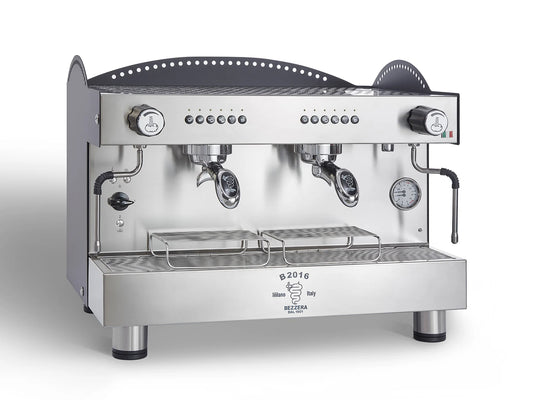
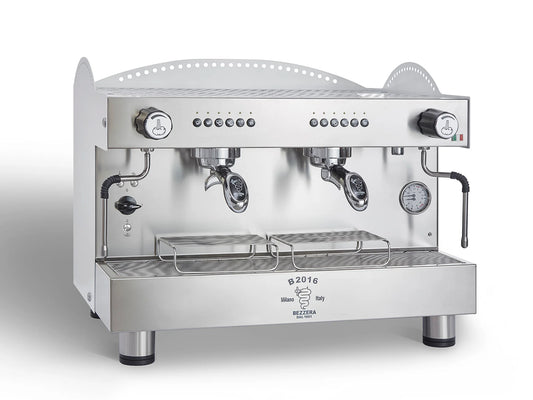
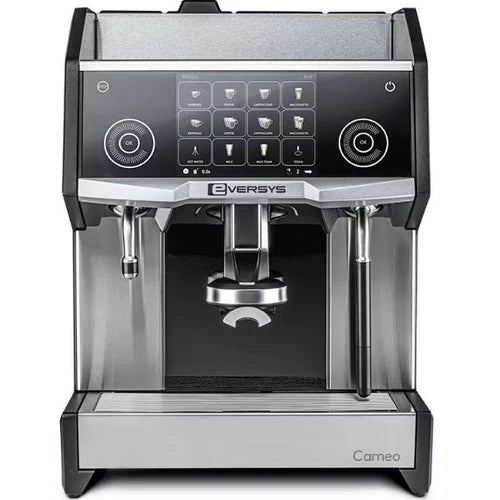
Investing in a quality coffee maker or espresso machine can be a game-changer for coffee lovers. With the right equipment, individuals can replicate gourmet coffee experiences in their own kitchens. Specialty beans, often available online or at local roasters, allow consumers to experiment with flavors and brewing techniques, creating a personalized coffee experience that significantly reduces costs.
Moreover, home brewing eliminates the environmental impact associated with single-use coffee cups, contributing to a more sustainable lifestyle. The practice of making coffee at home not only provides financial savings but also fosters a deeper appreciation for the craft of coffee making.
Supporting Local Roasters
Another way to enjoy coffee while being mindful of costs and sustainability is to support local roasters. Many small businesses offer high-quality, ethically sourced beans at competitive prices. By purchasing directly from local roasters, consumers can ensure their coffee is not only fresh but also supports the local economy.
Engaging with local coffee culture can also provide a sense of community and connection. Many roasters host tasting events and workshops, allowing coffee enthusiasts to deepen their knowledge and appreciation for the beverage, all while maintaining a budget-friendly approach.
Financial Literacy and Consumer Choices
Bethenny Frankel's comments on coffee spending tap into a larger conversation about financial literacy and consumer choices. In a landscape where consumerism often dictates spending habits, understanding the implications of financial decisions is crucial.
The Importance of Budgeting
Creating a budget is an effective way to manage discretionary spending, including coffee purchases. By establishing a set amount allocated for luxuries each month, individuals can enjoy their favorite drinks without guilt. This approach fosters mindfulness in spending and encourages individuals to prioritize their financial goals.
The Role of Financial Education
Financial literacy is an essential skill that empowers consumers to make informed choices. Education on managing personal finances, understanding the impact of compound interest, and recognizing the value of saving can fundamentally alter spending behaviors. Initiatives aimed at improving financial literacy, particularly among young adults, can help cultivate a generation that values sustainability and financial responsibility.
The Future of Coffee Consumption
As consumers become increasingly aware of their spending habits and environmental impact, the future of coffee consumption is likely to shift. This shift could manifest in several ways, from the rise of sustainable coffee brands to more consumers opting for home brewing.
The Rise of Sustainable Brands
In response to growing concerns about environmental impact, many companies are now prioritizing sustainability in their business models. Brands that focus on ethical sourcing, eco-friendly packaging, and transparency in their supply chains are gaining traction among conscious consumers. This trend reflects a broader demand for corporate responsibility and accountability.
The Shift Towards Home Brewing and DIY Coffee
The DIY coffee movement is gaining momentum as more individuals turn to home brewing. With the advent of technology and resources available online, consumers are empowered to experiment with different brewing methods and recipes. This trend not only saves money but also allows for greater customization and creativity in coffee preparation.
Conclusion
Bethenny Frankel's candid remarks about coffee culture reflect a growing sentiment among consumers grappling with the balance between indulgence and responsibility. As the coffee industry continues to evolve, the values of sustainability and financial literacy will likely play a pivotal role in shaping consumer behavior. Whether individuals choose to embrace gourmet coffee experiences or adopt more budget-friendly habits, the critical takeaway is to make informed choices that align with personal values and financial goals.
FAQ
Q1: Why does Bethenny Frankel think spending money on coffee is "stupid"?
A1: Frankel argues that the high prices of gourmet coffee drinks are a waste of money and detrimental to the environment, prompting consumers to reconsider their spending habits.
Q2: What are some alternatives to expensive coffee?
A2: Options include home brewing quality coffee, supporting local roasters, and being mindful of budgets when enjoying coffee.
Q3: How can consumers make more informed financial choices regarding coffee?
A3: Implementing a budget for coffee purchases and enhancing financial literacy can help consumers manage discretionary spending effectively.
Q4: What impact does the coffee industry have on the environment?
A4: The coffee industry's environmental impact includes deforestation, carbon emissions from transportation, and waste from single-use coffee cups.
Q5: Is coffee consumption purely a financial decision?
A5: While financial considerations are important, many consumers also value the social and cultural aspects of coffee, which can complicate the decision-making process.